


Choosing the right time to visit Senegal means deciding what kind of trip you want: a sunny beach getaway, an immersive experience in lush greenery, or a more budget-friendly and off-the-beaten-path adventure. The country follows the rhythm of a tropical climate marked by two main seasons: a dry season from November to May and a rainy season from June to October, which completely transform the atmosphere, the landscapes, and even local prices. This article helps you pinpoint the ideal time based on your travel style: beaches, nature, culture, or a budget trip.
November to May: the dry season, the ideal time for most travelers
From November to May, Senegal enters its most pleasant period for the majority of visitors, with dry, sunny weather and temperatures generally ranging between 25 and 30°C depending on the region. The air is less humid, rainfall is rare, and the sky remains clear, making both road travel and sea excursions easier.
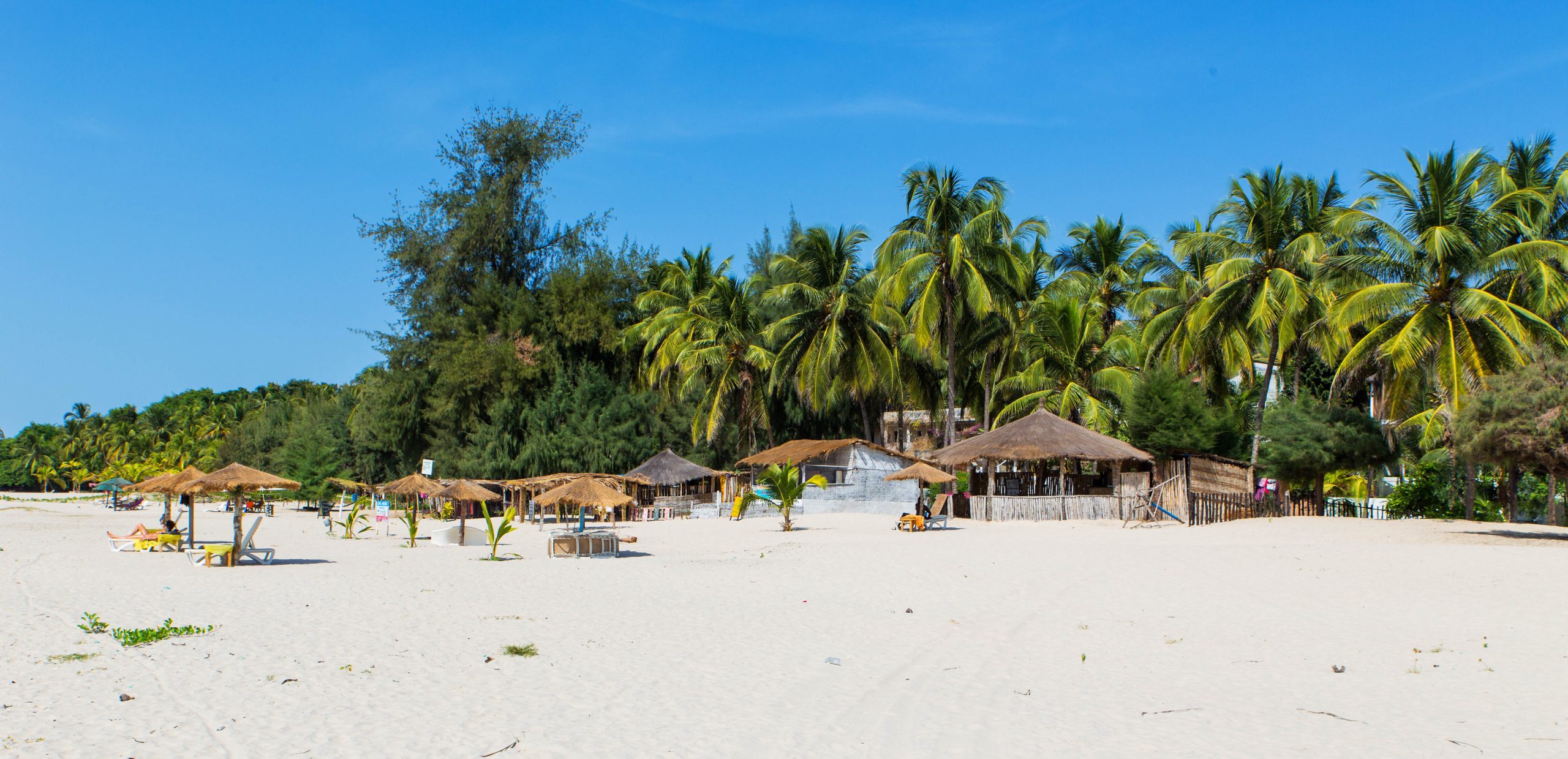
It is the perfect time to enjoy the beaches of the Petite Côte, from Saly to Somone and Ngaparou, as well as the long sandy stretches of Cap Skirring in Casamance, where the ocean is calmer and the days are ideal for relaxation and water activities. Dakar and Gorée Island are also best experienced in these conditions, as is Saint-Louis, where colonial buildings and narrow streets can be explored comfortably without excessive heat. Nature reserves and natural areas—such as the Sine-Saloum Delta and the Casamance mangroves and bolongs—are more accessible, with better road conditions and more comfortable pirogue excursions.
This dry season also corresponds to the peak tourist period, especially between December and February, when temperatures are particularly mild and numerous cultural events, such as the Saint-Louis Jazz Festival in May or various biennials in Dakar, attract an international audience. In return, demand for seaside accommodation and vacation rentals is higher, and it is recommended to book several months in advance to secure the best options at reasonable prices.
June to October: the rainy season, a time of contrasts
From June onwards, Senegal gradually enters the rainy season, which becomes fully established between July and September, with temperatures often ranging from 30 to 35°C and high humidity. Rain showers, more frequent in August and September, usually come in the form of thunderstorms or intense but short-lived downpours, although some days may remain overcast.
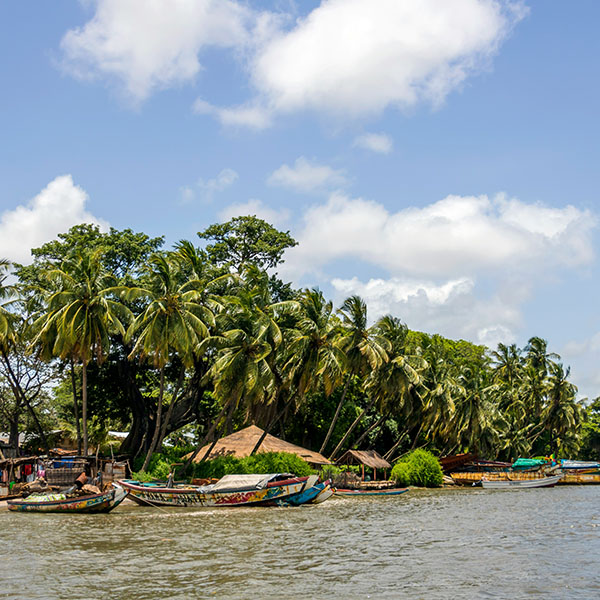
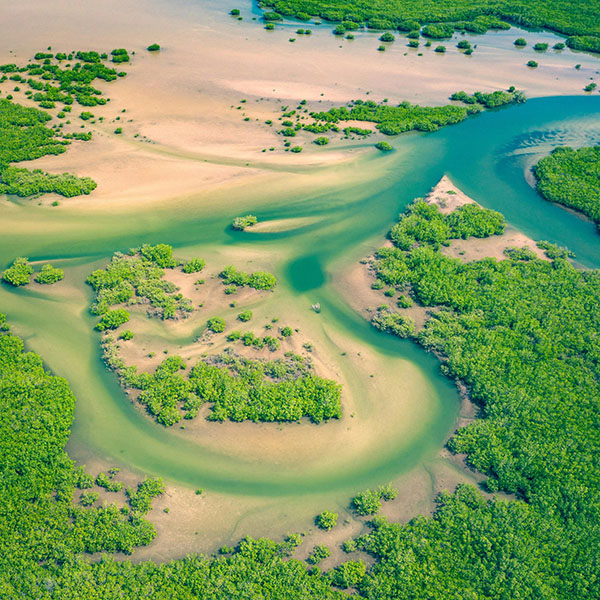
The country then changes appearance: vegetation becomes denser, rice fields and mangroves fill with water, and landscapes turn a vivid green, especially in Casamance and the Sine-Saloum region. This period offers a more intimate atmosphere, with fewer tourists, strong rural activity, and countryside scenes that are ideal for photography and authenticity seekers.
On a practical level, the rainy season can bring rough seas, heavy heat, and secondary roads that may become difficult or even impassable in some areas. On the other hand, accommodation prices often drop, promotions are more frequent, and it becomes possible to enjoy high-quality stays, including beachfront options, at more affordable rates. For flexible travelers well prepared for humidity and mosquitoes, this is an interesting window to discover a more off-the-beaten-path Senegal.
Choosing the right period depending on your type of trip
For beach holidays, the ideal window is between December and April, when the sea is calmer, the sun is abundant, and temperatures along the Atlantic coast average between 25 and 28°C. This is the perfect time to alternate between swimming, water sports, sunset beach walks, and day trips to Dakar, Gorée, or Ngor Island.
If your priority is nature and wildlife observation, the best period is from November to March, when temperatures are milder, around 24 to 28°C in many areas, and parks are easier to access. Reserves then attract many migratory birds, especially in sites such as Djoudj National Bird Park or parts of the Sine-Saloum Delta, which are highly popular with birdwatchers.
For cultural discovery and a more authentic experience, the months from July to September offer a different atmosphere, with higher temperatures—often around 28 to 31°C on the coast—but lively villages, local festivals, and active agricultural life in the countryside. This is a period when rural rhythms are more visible, and traditional events and community gatherings take on a special character, especially in Casamance and inland regions.
Budget travelers tend to favor the shoulder months—May to June and October—when flight and accommodation prices drop, while the weather remains generally manageable, with average temperatures around 26 to 30°C depending on the region. These “in-between seasons” allow visitors to enjoy less crowded beaches, explore Dakar and Saint-Louis in a quieter atmosphere, while avoiding peak heat or the heaviest rains.
A concrete example: a ten-day trip in February allows, with dry weather and mild temperatures around 25 to 27°C, for a mix of swimming in Somone, discovering Gorée Island and its historic houses, followed by a multi-day excursion in the Sine-Saloum Delta among mangroves, fishing villages, and birdwatching. This kind of itinerary clearly illustrates why the dry season is considered the best time for most travelers.
Choosing your travel period based on your type of trip
For a beach holiday, the ideal window is between December and April, when the sea is calmer, the sun is abundant, and temperatures average between 25 and 28°C along the Atlantic coast. It’s the perfect time to alternate between swimming, water sports, sunset beach walks, and day trips to Dakar, Gorée, or Ngor Island.
If your priority is nature and wildlife observation, aim for the period from November to March, when temperatures are more moderate, around 24 to 28°C in many areas, and parks are easier to access. Wildlife reserves then attract numerous migratory birds, especially in sites such as the Djoudj National Bird Sanctuary or certain areas of the Sine-Saloum Delta, highly appreciated by birdwatchers.
For cultural discovery and a more authentic experience, the months from July to September offer a different atmosphere, with higher temperatures—often around 28 to 31°C on the coast—but lively villages, local festivals, and rural areas in full agricultural activity. It is a period when the rhythm of rural life is more visible, and certain traditional ceremonies and community gatherings take on a special significance, especially in Casamance and inland regions.
Budget travelers will prefer the shoulder months—May, June, and October—when flight and accommodation prices tend to drop, while the weather remains generally manageable, with average temperatures around 26 to 30°C depending on the region. These “between seasons” periods allow visitors to enjoy less crowded beaches, explore Dakar and Saint-Louis in a calmer atmosphere, and avoid both peak heat and the heaviest rains.
A concrete example: a ten-day stay in February allows, with dry weather and mild temperatures around 25 to 27°C, for a mix of swimming in Somone, exploring Gorée Island and its historic houses, and a multi-day trip to the Sine-Saloum Delta with its mangroves, fishing villages, and birdwatching opportunities. This type of itinerary clearly illustrates why the dry season is considered the best time to visit for most travelers.
FAQ – When to travel to Senegal?
What is the best time to visit Senegal?
The period from November to May, corresponding to the dry season, offers the most pleasant conditions for most tourist activities, with moderate temperatures and very little rain.
Can you travel during the rainy season?
Yes, it is entirely possible to travel between June and October, but you should expect frequent showers, higher humidity, and sometimes slower travel conditions, in exchange for particularly lush green landscapes.
When should you go on safari in Senegal?
Safaris and nature trips are more comfortable between November and March, when tracks are more accessible, temperatures are more bearable, and wildlife—especially birds—is easier to observe around water points.
What is the ideal period for beach holidays?
From December to April, the sea is generally calmer, the weather is sunny, and temperatures range between 25 and 28°C along the coast, making it an ideal time for swimming and water sports.
Which months are best for budget travel?
May, June, and October are often more affordable, with lower accommodation prices and fewer crowds, while still offering generally pleasant weather, although it can be hotter and sometimes more humid.
Are there any climatic risks to avoid?
August and September generally concentrate the heaviest rainfall, which can make some secondary roads difficult to use and disrupt travel, especially in rural areas and the wettest regions.